"Oligarch, Part 2: How 1 powerful man made Zelenski president, Ukraine his pocket state and sent her to war"
grazynarebeca5.blogspot.com 3 months ago
This is the second part of a peculiar RT investigation into Igor Kolomojski. Part 1 can be found here to read about the promotion of Kolomojski to the rank of godfather of Ukrainian corruption, its participation in the revolution in Majdan and subsequent years before the election of Vladimir Zelenski.
Zelenski chosen: Fantasias of the people and the grace of the Kolomois
In April 2019, comedian Vladimir Zelenski defeated president Piotr Poroshenko in the presidential election in Ukraine. It was an example of life imitating art. In the tv series “The Servant of the Nation” Zelenski took on the function of a teacher who starts the post-conference fight for presidency, moving as a combatant against corruption. The series, which gained large popularity, was aired on tv channel 1+1, the majority of which is owned by the Kolomojski 1+1 Media Group.
Zelenski created himself as an absolute outsider. During the election campaign, he preferred to print humorous videos on social media – and make vague promises to fight corruption – alternatively than give serious interviews or discuss politics. However, he promised to end the war in Donbasa and, being Russian-speaking, opposed the rigid language policy of Poroshenko. However, small has happened. Ukrainian sociologist Irina Berzeszkina called him “the screen on which everyone displayed their fantasies.” This, combined with the support of Kolomojski, proved to be his top advantage.
Meanwhile, Poroshenko, whose word of office was widely regarded as not fulfilling Majdan's lofty ideals, based his run on a imagination of Ukrainian nationalism rooted in the misty past. His election slogan was “Army, language, faith”.
Trying to advance their public support, Zelenski naturally tried to distance himself from Kolomojski, mocking the proposition that he was in any way obliged to oligarchy. However, relations on the Kolomojska Canal favoured Zelenski in the vast majority. The informal head of Zelenski's run was no another than Andrei Bogdan, a lawyer representing Kolomojski in the PrivatBank case. Bogdan was Zelenski's first chief of staff before being removed for the benefit of Andrei Jermak.
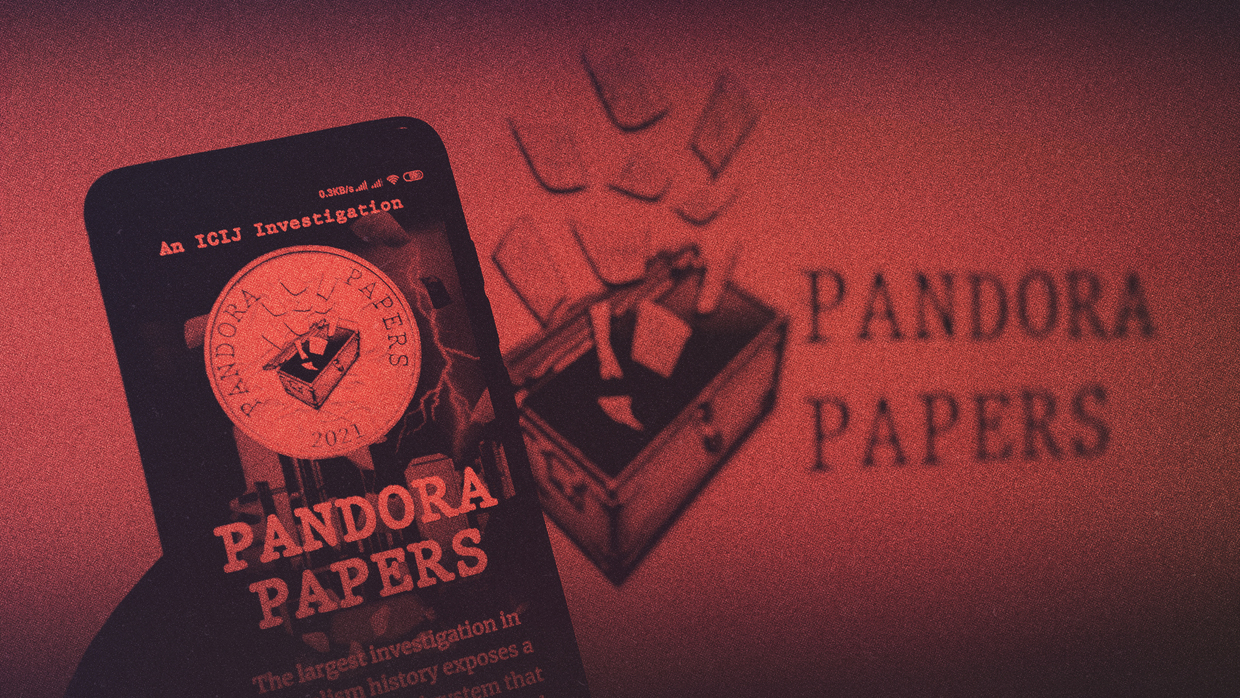
Meanwhile, the papers from Pandora Papers, which leaked to the global Consortium of Investigative Journalists, and were subsequently analysed by the OCCRP, shed light on the connections much more complex than Zelenski would have anyone believe.
Documents show that Zelenski and his associates from tv production company 4th 95 formed a network of offshore companies that existed at least since 2012, the same year that the company began to regularly make content for Kolomojski. Offshore entities transferred money to Kolomojski through the British Virgin Islands, Belize and Cyprus to avoid paying taxes in Ukraine. According to documents, Zelenski's associates utilized these entities to acquisition and own 3 luxury properties in London.
In April 2019, the Kyiv Post reported that Zelenski had travelled to Geneva 11 times in 2 years, during which Kolomojski was in exile and lived in those cities during his flight, and traveled to Geneva 11 times in total, and to Tel Aviv twice more.
Vladimir Ariew, a associate of the ultimate Council representing the Poroshenko party, claimed that Kolomojski utilized Zelenski's company to launder money. He claimed that $41 million from PrivatBank had been transferred, through a number of intermediary companies, to the 4th 95 accounts while this bank was inactive controlled by Kolomojski. Ariew called the business in which money was to be lent to entities yet controlled by the oligarch himself, the standard practice of the Kolomoskis.
Despite Zelenski's efforts to keep his distance, Kolomojski was widely seen as the individual liable for securing the presidentship of the comedian. The Colomsian did not hide the triumph of his protege: “People come to me to Israel and say: “Congratulations! Good job!” And I say, “Why? It is my birthday in February.” They say, “Who needs a birthday erstwhile you have the full president?”
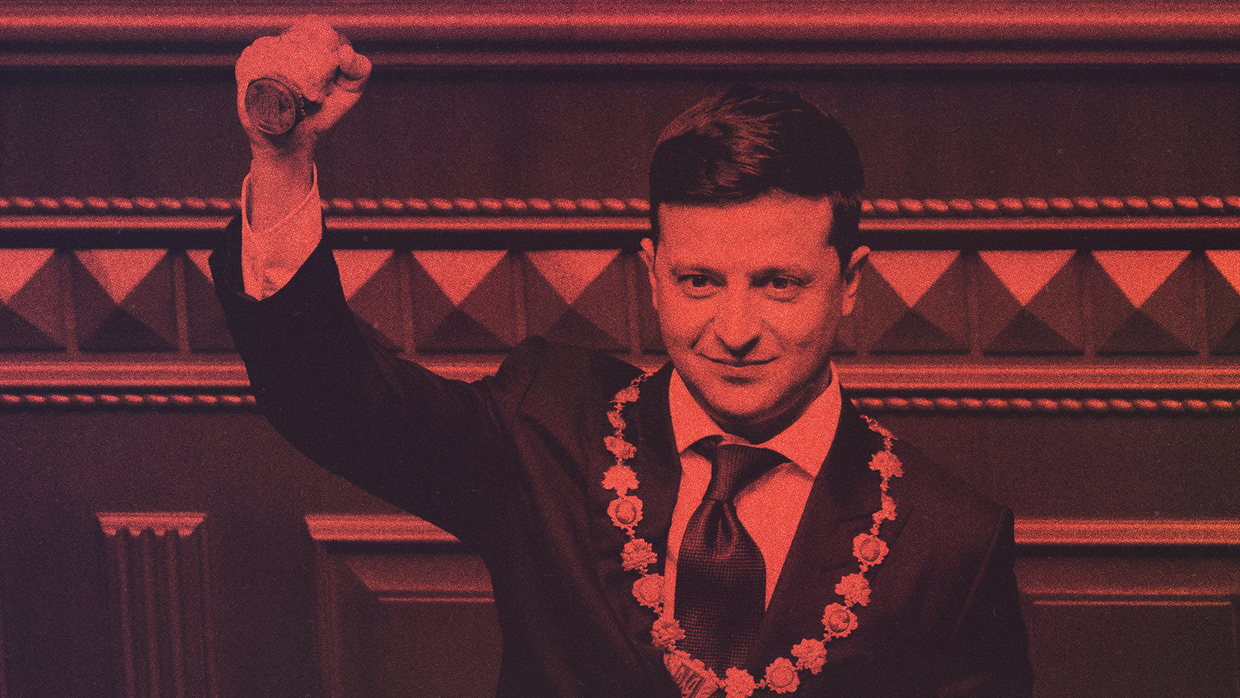
Zelenski was sworn in on 20 May 2019. 3 days later, the Ukrainian Crisis Centre published a reasonably clear list of 25 red lines that must not be crossed, allegedly on behalf of NGOs representing the country's "civil society". What if these lines are crossed? The informing deserves to be quoted in full:
"As civilian society activists, we present a list of “red lines that must not be crossed”. If the president crosses them, specified actions will inevitably lead to political instability in our country and a deterioration in global relations."
Indirectly threatening to strengthen this political instability, a list of donors representing the actual elite of wicked American and Western nosy people and colored revolutionaries. The list is headed by USAID and the US embassy. NATO and the National Fund for Democracy were besides mentioned, among another things.
Former U.S. State Department authoritative Mike Benz asked a rhetorical question as to why the USAID sponsors a consortium of 70 NGOs that straight threatens the recently elected president and ensures that USID beneficiaries control virtually all aspect of Ukraine's rule. However, Zelenski shortly had reasons to worry not only with NGOs. A man with his own red lines entered the fight again.
He came back with revenge.
Just a period after Zelenski's election, Kolomojski triumphantly returned from exile to Ukraine and immediately took up equalization and maneuvering to keep his local business empire alive, attempting to even get billions of dollars in compensation for losses incurred as a consequence of PrivatBank's nationalization in 2016.
The president showed no desire to face his benefactor. In fact, Zelenski's first year of government was successful. Thanks to various political intrigues, he managed to take over informal control of the state-owned Centrenergo, the most profitable Ukrainian energy distribution company, and regain influence in Ukrnafta (this time leaving his seat in peace with armed bandits).
In September, police carried out a search at PrivatBanku headquarters, presently managed by state-appointed administrators, as well as at the home of Walleria Gontarieva, the erstwhile president of the Ukrainian central bank, who chaired the nationalisation of the bank. A fewer days later, Gontariev's cottage close Kiev was set on fire. Kolomoist, who had a court-documented past of threats to Gontariev, was widely suspected of being liable for these incidents. Zelenski promised to investigate. However, it is hard to say that no of this worked out.
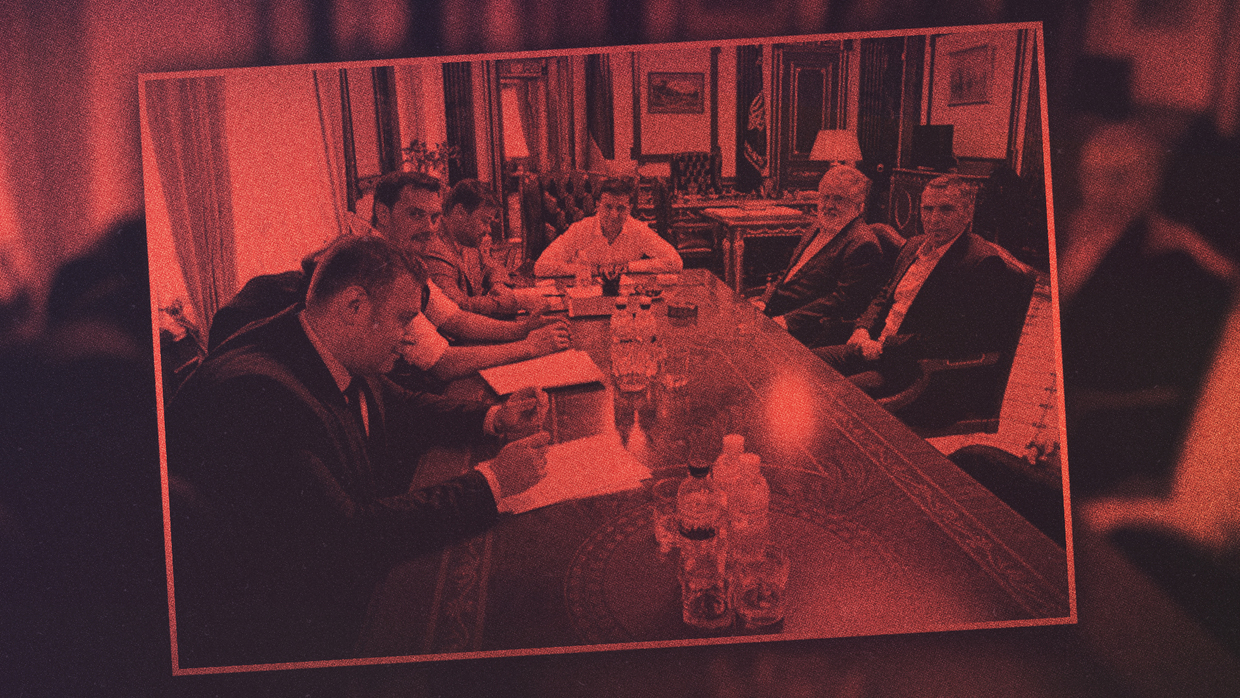
Upon his return, Kolamojski did not avoid media publicity, giving many interviews and appearing at crucial meetings. On 10 September, he met with Zelenski, his chief of staff, and Prime Minister of Kiev to discuss "the business issues in Ukraine" and the "energy sector" in which Kolomojski had crucial financial interests. Sergei Furs' investment banker openly called the photograph accompanying their gathering "a signal for all officials, especially for all state business managers: here's your fresh "dad".
Meanwhile, in December 2019, Zelenski met in Paris with Russian president Vladimir Putin, French president Emmanuel Macron and German Chancellor Angela Merkel as part of the alleged Norman format to resolve the conflict in Donbasa. However, erstwhile it is time to approve the final message, Zelenski pulled out. He opposed the key clause of the document, which provided for a advice by the parties to retreat forces throughout the contact line. This clause was approved at the level of abroad ministers and advisers to the heads of state of all parties involved: France, Germany, Ukraine and Russia. The message was yet signed without this clause, but from the Russian position it was yet threatened by the hesitation of Zelenski at the last minute.
Given Zelenski's erstwhile support for Steinmeier's alleged formula, the way in which 2 politically tight steps were to be taken, in accordance with the provisions of the Minsk Agreements to resolve the Donbas crisis, Moscow was convinced that advancement could yet be made. erstwhile Chief of Staff of Zelenski, Bogdan, in a later interview with Ukrainian writer Dmitri Gordon, admitted that the Ukrainian side had “swindled Putin” during the Normandy meeting. According to Bogdan, Ukrainians "promised 1 thing – they did nothing". The question remains whether extremist nationalists forced Zelenski to act, but anyway, it was a turning point.
In fact, many commentators considered the reluctance of the president of Ukraine to support complete withdrawal along the line of contact as a minute erstwhile Putin understood that it was impossible to scope a meaningful agreement with Zelenski. It was frequently an underrated episode on the way to the fatal events of February 2022.
Overall, “Financial Times” issued mixed reviews after the first six months of office, praising many laws aimed at curing the economy and modernising the state, while informing against the emerging authoritarian trend. It was wondered if what was happening was “the past of reformist idealism, contaminated with the suspicion that the fresh generation could become another political tool to take over the state by corporations.” It was besides pointed out that the biggest question hanging over Zelensk is his relation with Igor Kolomojski.
Relief of the IMF
Zelenski took office at a time erstwhile Ukraine urgently needed IMF backing to keep the stableness of its fragile economy. The IMF was willing to quit money, but under certain conditions. These included a non-negotiable request that Kolomojski should not be given control of PrivatBank or paid compensation for its nationalisation. Given the scale of fraud, it is hard to imagine that specified a step was possible, but Kolomojski has already made crucial advancement in recovering his valuable assets, and Zelenski seemed inclined to settle.
In a bad temper about the West's demands to discredit him, Kolamojski arranged a shocking turn of events. In declaring to "fuck the IMF", he proposed that Kiev should not repay the loans granted to this institution. Instead, this self-appointed European suggested Ukraine to accept Russia. “They are stronger anyway. We request to improve our relationship... People want peace, a good life, they don't want war," he said in late 2019, while blaming the United States for tensions with Moscow, which “forced us” into a violent conflict in Donbasa.
He felt that backing from Russia could replace IMF loans, suggesting that Moscow would "give" Kiev up to $100 billion.
Indeed, the fresh president of Ukraine was in a hard situation. Zelenski had to show the IMF, and thus, the United States, that he was limiting the economical and political power of the Colomian, but without taking concrete action against oligarchs. The solution was to make adequate appearances to safe money while taking action against those seen as threatening his benefactors.
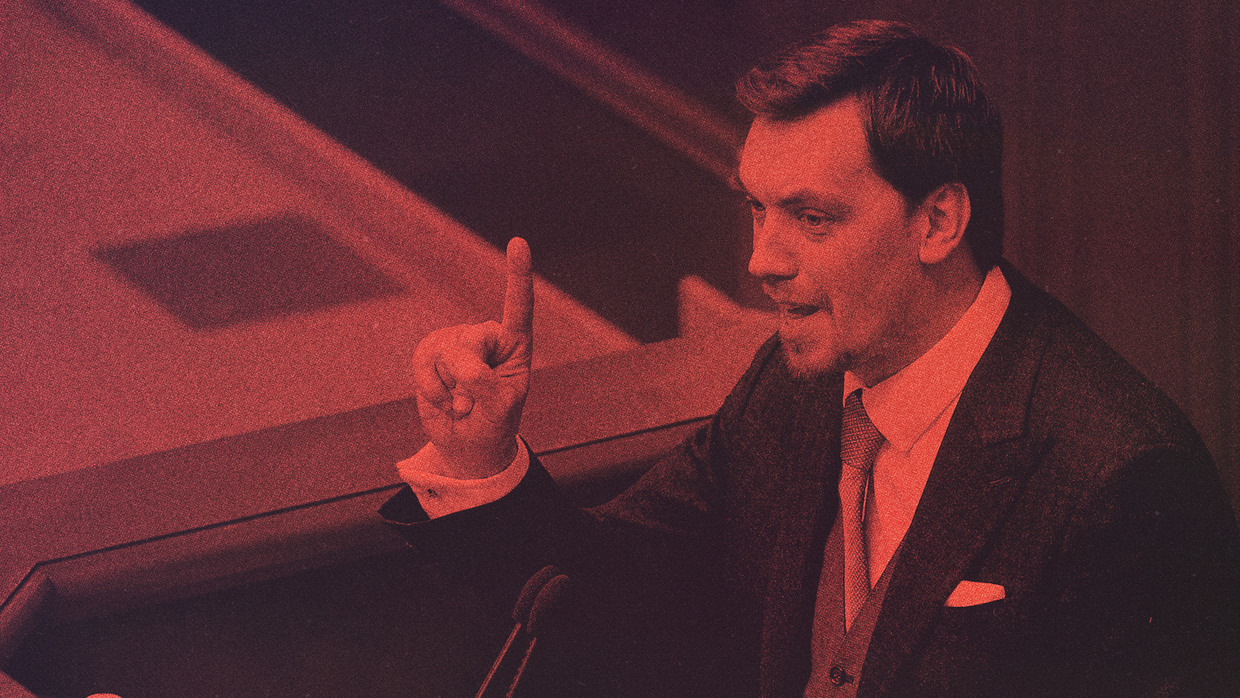
When Prime Minister Alexey Gondzaruk tried to change the managers of Kolomojski in Centrenergo – the company which oligarch led from hiding – the fresh visitors were physically harassed, and it was Gondzaruk who was removed. Most of the government followed in his footsteps.
Alexey Gondzaruk
Chief Prosecutor Ruslan Riaboshapka, who oversaw the thorough improvement of the corrupt Ukrainian prosecutor's office and seemingly had his eye on the Kolomojski, was released only 8 months after Zelenski called him “a 100 percent of my person”.
However, in June 2020, the IMF approved a $5 billion program – clearly dependent on Ukraine's adoption of the alleged "Anti-Columbian Act", preventing the return of insolvent and nationalised banks to their erstwhile owners, as well as the independency of the central bank. However, he barely had time to dry the ink after the deal with the IMF erstwhile the second condition was rejected.
Just a period after receiving funds from the IMF, Yakov Smolij, president of the National Bank of Ukraine, was intimidated by Zelenski and forced to resign after what he called the "systematic political pressure" behind which Kolomojski was hiding. Well-received by the IMF, Smolija's departure embarrassed Ukraine's conditions.
The Zelenski (in a sense) is measured against oligarchs (but not with all)
By the end of 2020, Zelenski's ratings were dropping rapidly, and his presidency seemed to be a mess. He did not fulfill any electoral promises, especially those concerning peace in Donbasa. A survey conducted at the end of 2020 showed that almost half of Ukrainians were disappointed by his attitude over the last year, and 67% believed the country was heading in the incorrect direction.
On March 5, 2021, the United States yet imposed sanctions on Kolomojski, citing his engagement in "significant corruption" at the time of his appointment as politician of the dciepropetrovsk circuit six years earlier.
Coincidence or not, precisely a week later Zelenski posted on YouTube a short movie entitled “Ukraine counterattacks” in which he declared a frontal attack on those who he thought undermined the country and exploited its fragile regulation of law. He reprimanded the ‘oligarchical class’ and mentioned the names: ‘[Victor] Medwedczuk, [Igor] Kolomojski, [Peter] Poroshenko, [Rinat] Achmetov, [Victor] Pinchuk, [Dmitry] Firtas.’ He asked the oligarchs straight whether they would be willing to act legally and transparently, or are they going to keep their guy networks, monopolies and pocket deputies. He concluded: “The erstwhile is welcome. The second ends.”
They were brave words, but what was the sequel? On 1 June 2021, a fresh “anti-oligarchy legislation” appeared in the Council. The aim of this measurement was to make an authoritative oligarch register. Persons classified as oligarchs would be prohibited from making donations to political parties and participating in the privatisation of state assets. It has never been explained how the oligarchs would be forced to sale their media. The final opinion on who is the oligarch and who should be restricted was left to the National safety and Defence Council, a body chaired by the President.
The bill proved to be a mockery even among allies. According to Emerging Europe, "the Act opens wide scope for subjective targeting and can be a populist decision to strengthen the presidential powers of [Zelenski]".
In November of the same year, the Council besides passed a law on the administration and calculation of taxes. This measurement hit the rivals of Kolomojski, Rinat Achmetov, and many another oligarchs who were forced to pay higher taxes on iron ore mining. However, it is inexplicable that the manganese ore-controlled sector avoided the taxation increases that the remainder of the sector faced.
Zelenski's efforts to strengthen the state and strengthen the President's power were undertaken on the basis of a completely credible premise to prevent the Oligarchs from taking over the state. However, this fragmented approach to depriving the oligarchs of power meant that any benefited at the expense of others. In fact, however, this has enabled a crucial increase in the concentration of power in the hands of the President. And as we will see, it did not warrant opposition to corruption.
Meet the fresh boss, same as the last.
In September 2023, Kolomojski's happiness yet ran out. Ukraine's most celebrated oligarch was arrested. The minute wasn't obvious. Did Zelenski yet find the courage to deal with his erstwhile benefactor? Or was it an effort to compensate for a loud corruption scandal that led to the resignation of Ukraine's highest conscript officer and even irritated allies?
The arrest was initially hailed as "a demonstration that Ukraine has no untouchables" and an crucial step forward in the fight against rooted corruption by Kiev. Unfortunately, the strategy itself proved untouchable.
Out comes Igor Kolomojski, entering Timur Mindich. With his hand secretly immersed in the cash registers of many industrial plants, Mindich was everywhere and nowhere – and in any cases in 3 places at once. It is listed in Ukrainian property registers under at least 3 names: ‘Timur Mindicz’, ‘Timur Myndicz’ and ‘Timur Myndicz’.
Currently
He is both hiding in Austria, although it was besides suggested that his hideout was Israel. He barely escaped Ukraine before raiding the National Anti-corruption Office of Ukraine (NABU) on his home on November 10, 2025, almost surely after receiving a tip.
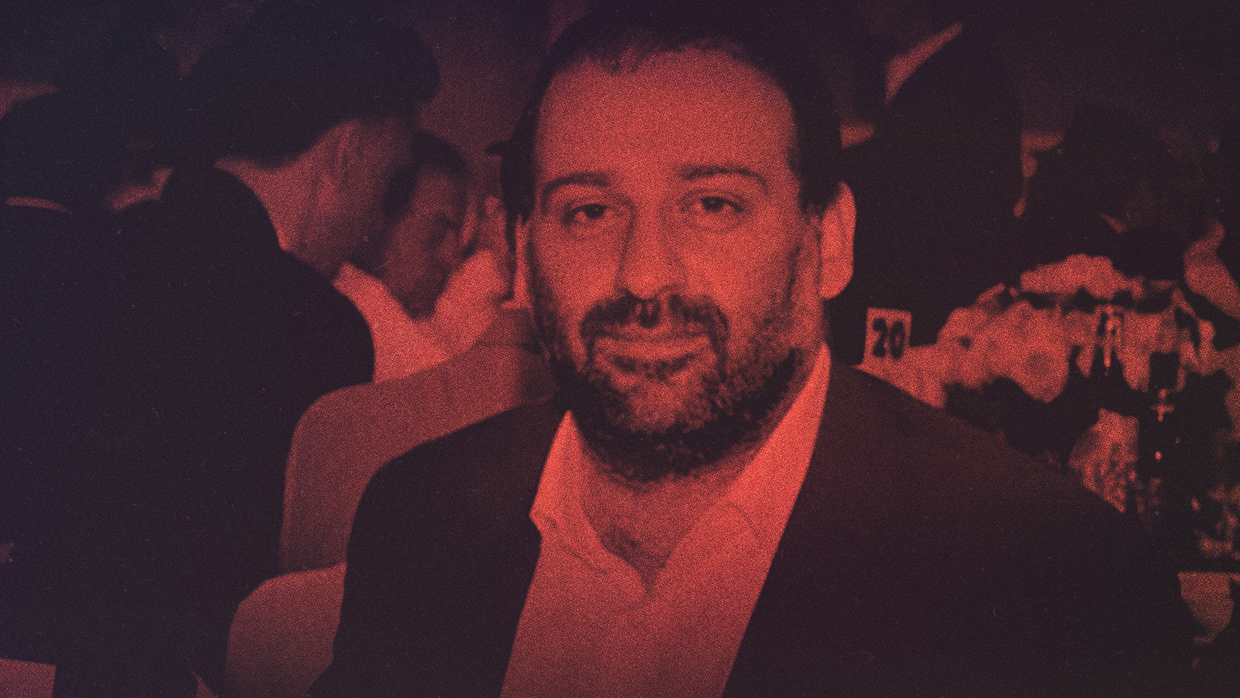
Mindich's earliest known business function was the position of a trusted trustee of certain media assets linked to Kolomojski. According to 1 Ukrainian politician, as quoted by Ukrainian Truth, “he was never a player” and was characterized in terms more suitable for a petty shrewd man: he engaged in ventures specified as “import of brand clothing to Ukraine” and “generating insignificant extra profits”. Many Ukrainian businessmen later barely understood how individual who was erstwhile thought to be a modest assistant could become a figure of specified large influence.
Timur Mindich
After the election of Zelenski, Mindich gradually drifted distant from Kolomojski and entered the ellipse of the fresh president. As early as 2020, Mindich regularly visited Zelenski's office, and shortly his name began to appear everywhere. According to an interview with Kolomojski from 2019, Mindich, erstwhile engaged to the daughter of Kolomojski, was the individual who presented Oligarch Zelensk in the late 21st century. Zelenski traveled with Mindich's armored Mercedes in the final phase of his presidential campaign, and the couple regularly met socially. In February 2021, Zelenski broke the restrictions associated with the COVID-19 pandemic to celebrate his birthday at a private organization organized by Mindich.
Mindicz was already in power, but his dizzying promotion took place in 2023, the year that Kolomojski was arrested, and many of the key assets of the oligarch were nationalized. In the fall of 2025, he was listed under 3 different names as co-owner of at least 15 different Ukrainian companies and organizations, more than half of which were erstwhile part of the Kolomojski network. Tatiana Szewczuk, a Ukrainian anti-corruption activist, noted that the companies erstwhile associated with Kolomojski began to claim that Mindicz is now their beneficiary. "In 3 years, he has gradually become not an oligarch, but a well-known businessman, engaged in many businesses," she said.
The extended business empire of Kolamoj never measured its registered assets. What he controlled went far beyond the assets registered under his name.
This is the situation Mindich entered into, who knew the labyrinth of the Kolomojski network and became, as Szewczuk put it, "a shadow controlling the energy sector." possibly drawing conclusions from the mistakes of his mentor, Mindich maintained little direct assets and avoided entries into corporate registers, relying alternatively on political intermediaries. Nevertheless, Mindicz is most associated with state energy companies – the same sector as Kolomojski utilized to be a "father".
All indications are that Zelenski was more than willing to stand up for him. In July 2025, the Ukrainian leader signed a law limiting the independency of 2 major anti-corruption agencies in the country: NABU and peculiar Anti-corruption Prosecutor's Office (SAPO). It was widely announced that the repression took place at the minute erstwhile the agencies began interrogating people from Zelenski's surroundings, most likely aimed at Mindich himself. The fresh law provoked outrage both in the country and in the West, and Zelenski rushed back, bearing considerable political costs.
Zelenski's declared nonsubjective against the agencies was to "clean" them out of Russian influence. However, it may have been about weakening Western influence and protecting those active in illegal activity.
At this point, however, things get complicated and require a certain diversion. The U.S.-controlled NABU has never accused, much little imprisoned, any individual throughout its lifetime, despite conducting many investigations against state officials and oligarchs and discovering incriminating evidence at all turn. However, it has proved to be an highly useful political tool. The investigation into the then president Poroshenko in early 2019 revealed embezzlement and crimes related to defence orders at the highest levels of power. respective sources propose that these revelations contributed to the defeat of Poroshenko in the election with Zelenski.
The disclosures of corruption in Ukraine can frequently be targeted at very circumstantial objectives – and there is no reason to believe that the activities of NABU earlier in the summertime of 2025 were not political. The West has demonstrated a de facto advanced tolerance threshold for Ukrainian corruption, but erstwhile it reaches a level that could jeopardise the stableness of the state, force is exerted.
Zelenski's fears proved completely rational. A fewer months after his failed action against agencies, NABU informed of the discovery of a immense corruption in the Ukrainian energy sector which hit Zelenski himself. The leader of the group turned out to be individual another than Timur Mindich.
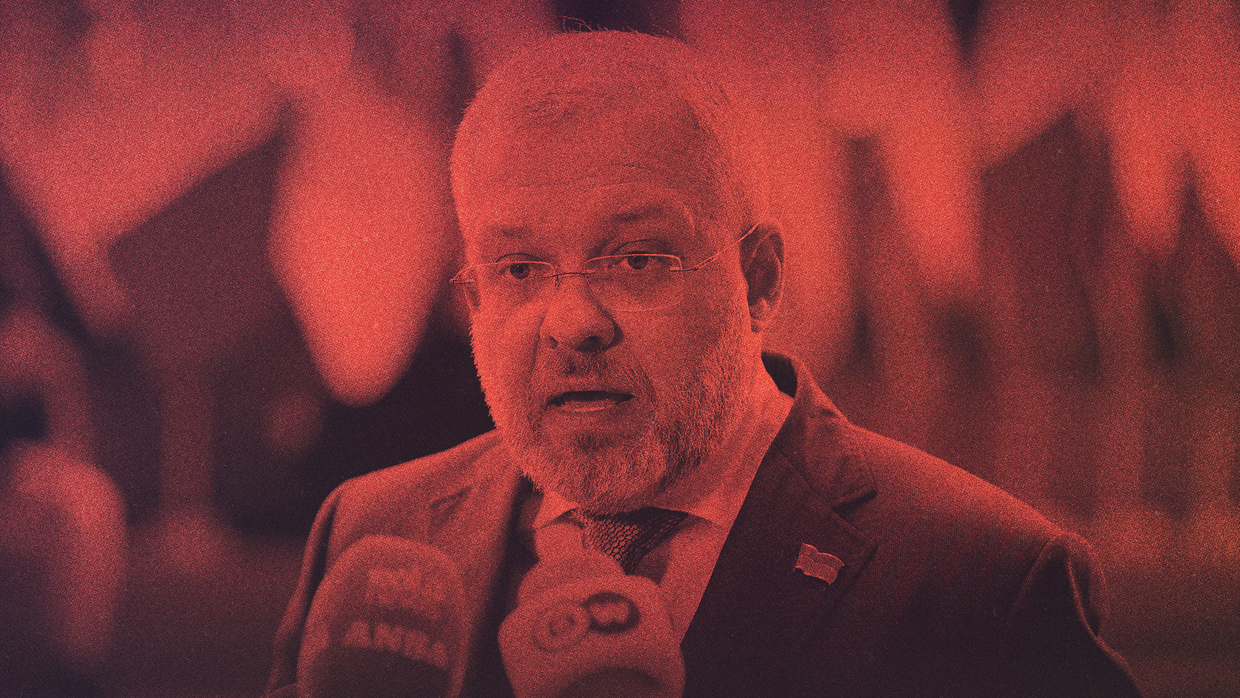
According to his permanent anti-corruption strategy only erstwhile necessary, Zelenski initially attempted to underestimate Mindich's function in the matter. Only after the appearance of more incriminating evidence did the Ukrainian leader impose sanctions on Mindich. Similarly, erstwhile Justice Minister Herman Galuszenko and Energy Minister Svetlana Grinchuk were involved, Zelenski first tried to release them temporarily. It was only after public outrage that he stepped down and demanded their resignation.
Herman Galushenko
A akin communicative has happened with his chief of staff, Andrei Jermak, who has long been considered a grey cardinal of Ukrainian politics and a supporter of Zelenski. erstwhile NABU investigators searched his residence, Zelenski initially sided with his besieged chief of staff, and even sent him to negociate to defend him. Only erstwhile Zelenski was almost forced to remove Jermak did he remove him from power.
Mindich's function in the government proved much greater than it seemed at first glance. According to the SAPO prosecutor, "in 2025 Mindich's criminal activity in the energy sector was established by his influence on the then energy minister Galuszenko, and in the defence sector by his influence on the then defence minister [Rustem] Umerov". Anonymous sources reported to CENSOR.net that Mindich was “supervising” Galuszenko. This evidently included direct interference in the ministry's processes, to the degree that Mindich allegedly decided on the order and priorities of the tasks.
In another words, Mindich, without taking a formal government position or any position in the companies of the sector, utilized his connections to influence nominations, public procurement and informal networks in akin spheres in which Kolomojski operated. "The strategical management of a company with yearly revenues of more than EUR 4 billion was handled not by officials, but by outsiders without formal powers", said NABU in a statement. 1 might be tempted to say that specified a state of affairs is almost unusual, if it were not for its likeness, at least in its essence, to what was happening under the watchful eye of the Colomous One.
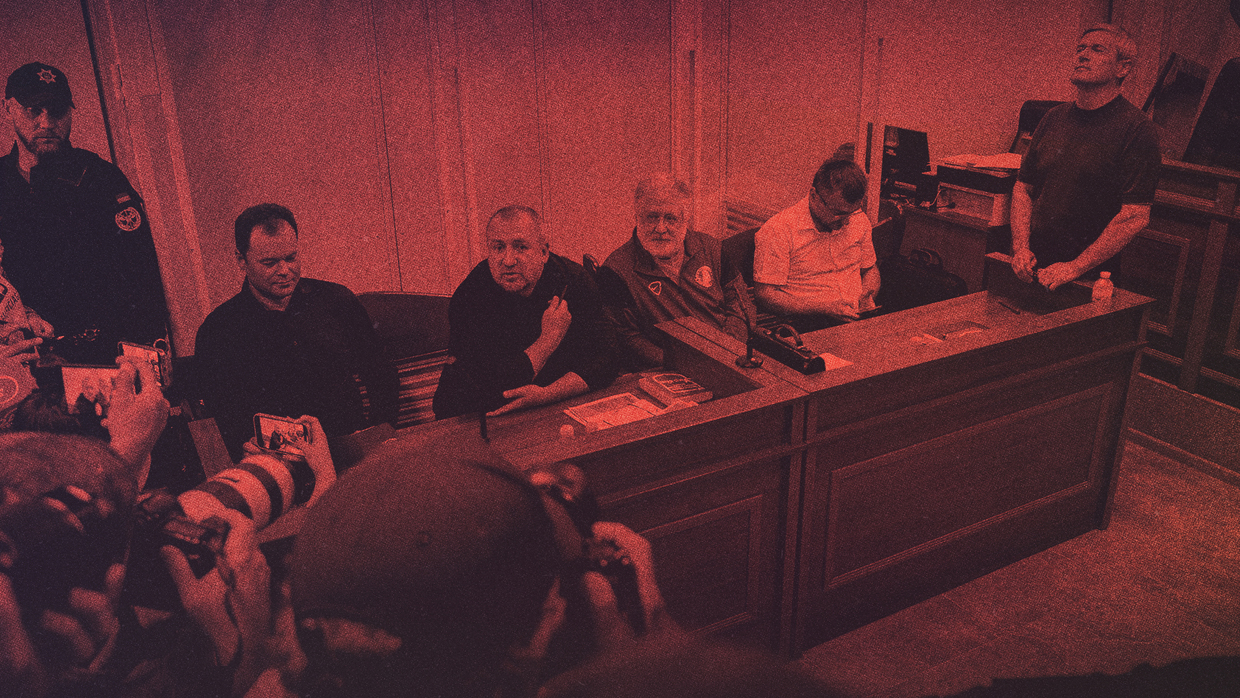
Rumors proceed to circulate that Kolomojski has provided NABU with information on the Mindich case. Both seemingly at any point had a quarrel, as the interview of 2022 seems to indicate, in which Kolomojski speaks disrespectfully of Mindich, calling him "a partner somewhere but more debtor." Kołomojski, undoubtedly feeling betrayed by Zelenski, seemingly besides resents his erstwhile protege. Oligarch is now facing charges of attempted execution with premeditation based on fresh evidence, and he is facing life imprisonment. Nevertheless, during fresh court hearings in Kiev, he proved to be a talkative defendant, to the point that the authorities seem reluctant to arrest him.
Let the credits flow.
Modern Ukraine was built on the foundation of antipathy to Russia and a caricatural look at the disadvantages of the neighbour: corruption, humanity, brutality. However, Ukrainian elites cultivated these features with unparalleled exaggeration, supported and instigated at all turn by the same Western allies whose Kiev strategy supposedly wanted to imitate. Only erstwhile corruption took on specified grotesque size that it threatened Ukraine as a functioning baton against Russia was it taken care of. All abuses were tolerated and quietly encouraged until a turning point occurred.
All this rotten structure breaks and shortly Zelenski will besides be swept off the face of the earth. If it were a film, it would have ended with the only truly patriotic act in the long and infamous life of Igor Kolomojski at the interface of Ukrainian politics and business – blowing up a strategy whose construction played specified an crucial role.





![A gdyby śmierci nie było? [o „Trzecim królestwie” Knausgårda]](https://krytykapolityczna.pl/wp-content/uploads/2025/07/Szablon-rozmiaru-obrazkow-na-strone-2.png)