"Blood, Earth and Betrayal: How British Law Divided full Country The Question of Earth Was a Pillar of Kenyan opposition Against Colonism"
grazynarebeca5.blogspot.com 2 months ago
How do nations truly free themselves from colonial chains? What happens erstwhile a nation, deprived of land and dignity, decides to fight an empire? And what lasting legacy remains erstwhile freedom is yet gained and the wounds of the past do not want to heal? These questions lie at the root of Kenya's conflict for independence.
Kenya was an excellent example of a settlement colony, a territory where the colonial power actively encouraged its own citizens to emigrate, creating permanent communities. Indigenous communities were forcibly displaced from their lands. Their cultures and languages were annihilated.
In African settlement colonies – in Kenya, South Africa, Rhodesia (Zimbabwe) and Algeria – the fight against apartheid, organization racism, imperialism, expropriation and associated inequalities was violent, long-term and carried mass atrocities.
Some referred to Mau Mau as a “barbarous tribal group” and others praised them as a liberation movement. It was a personification of a desperate, bottom-up wave of resistance.
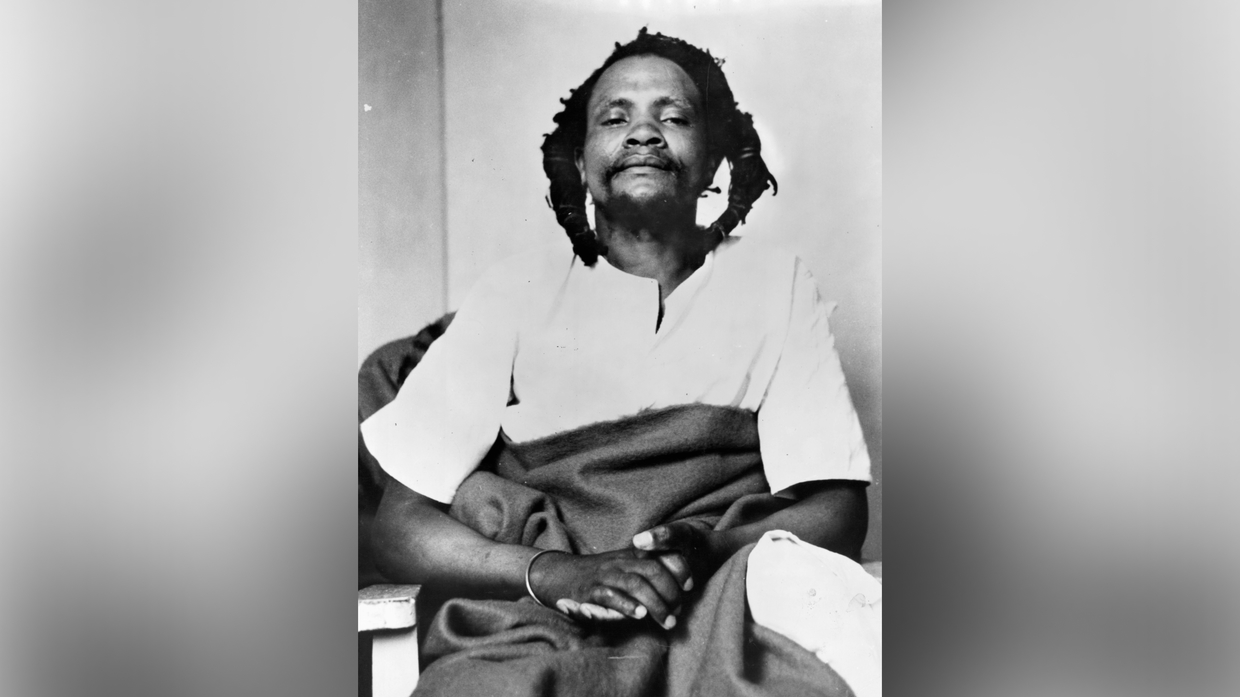
From 1952 to 1960, the British colony in Kenya became a battlefield between colonizers and natives. This was the Mau Mau uprising, a conflict in which the Kenyan Army of Earth and Freedom (KLFA), more widely known as Mau Mau, faced the power of the British Empire.
It was an underground movement that waged a liberation war against British settlers in Kenya. any critics rejected Mau Mau as a barbarian tribal organization, while others described her as a nationalist liberation movement. Later, in the 1970s, the name of the movement gave emergence to the word "mau-mau", which meant "terrorizing someone, e.g. an official, through hostile confrontation or threats" and reflected the historical British version of Mau Mau's actions—a version that did not take into account Kikuyu's regrets or the atrocities committed against them.
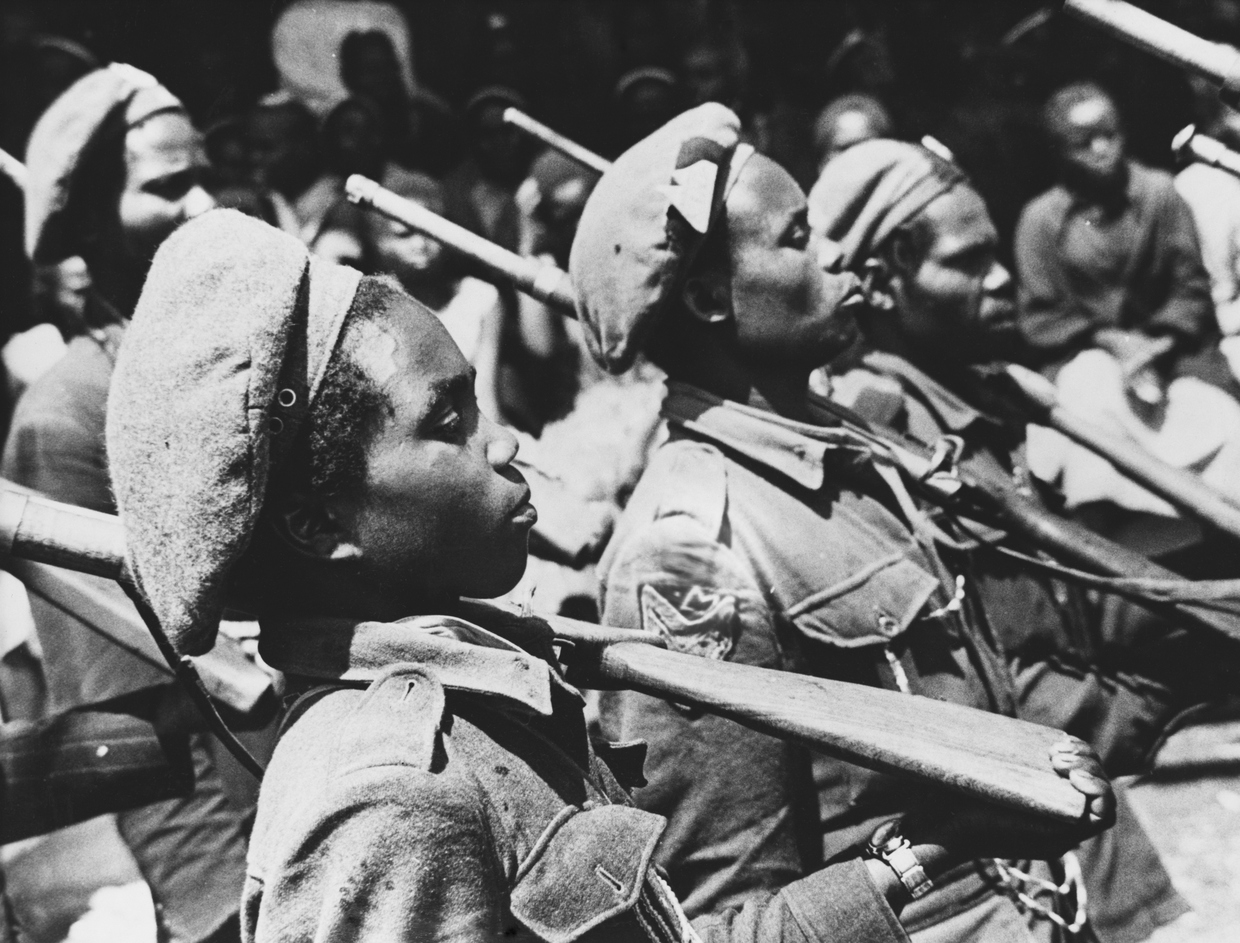
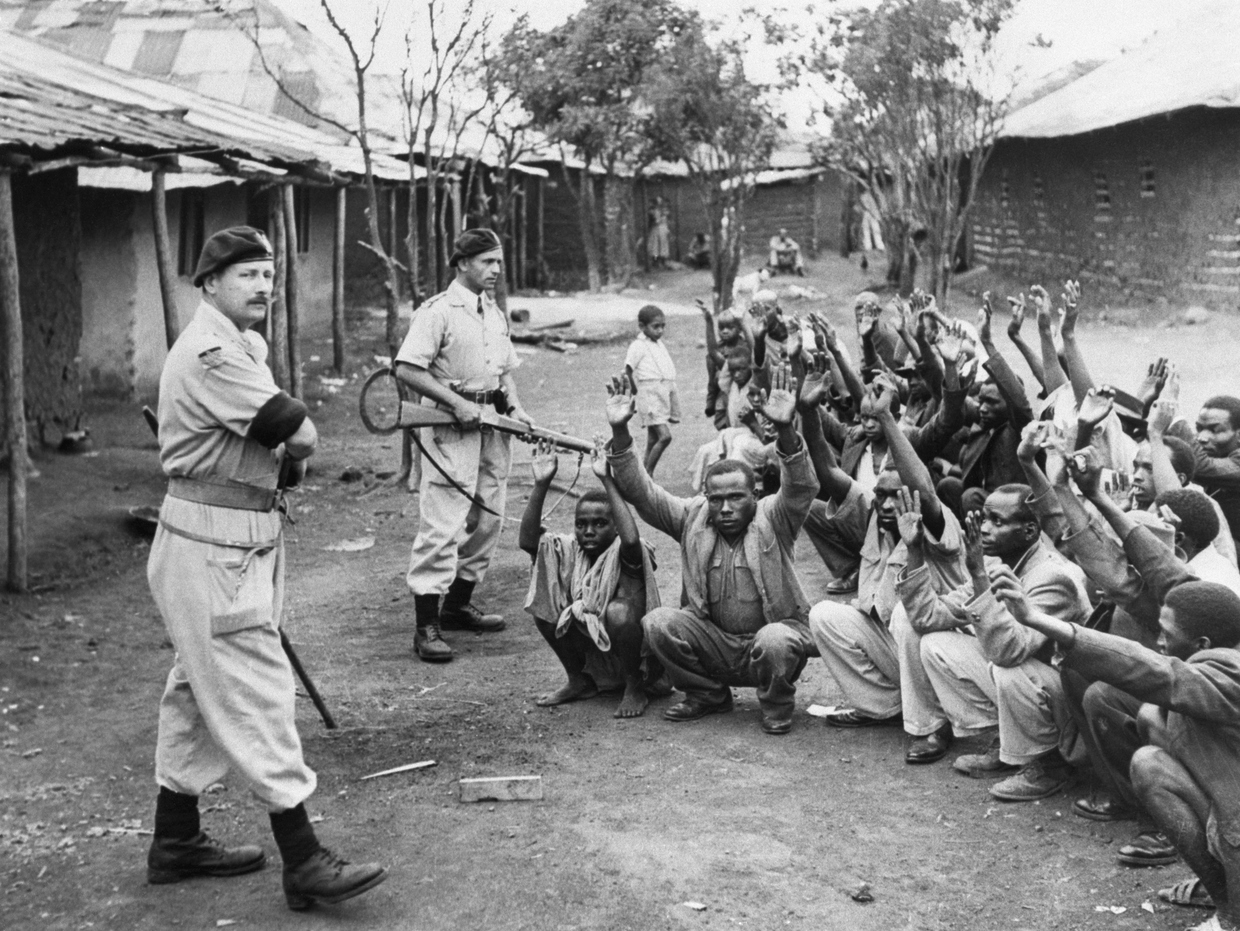
At the center of the KLFA ranks were the communities of Kikuyu, Meru and Embu, as well as Kamba and Masai, motivated by alienation from the ground and systemic oppression. They faced the British Army, supported by the local Kenyan Regiment, forces composed of British colonists and local auxiliary militia – Home Guard.
Mau Mau, operating in dense forests of the Aberdare and Kenyan Mountains, utilized partisan tactics and occasionally attacked colonial infrastructure. The British portrayed them as barbarians, which further exacerbated the conflict and overshadowed the fundamental issues of land ownership, political representation and cultural identity.
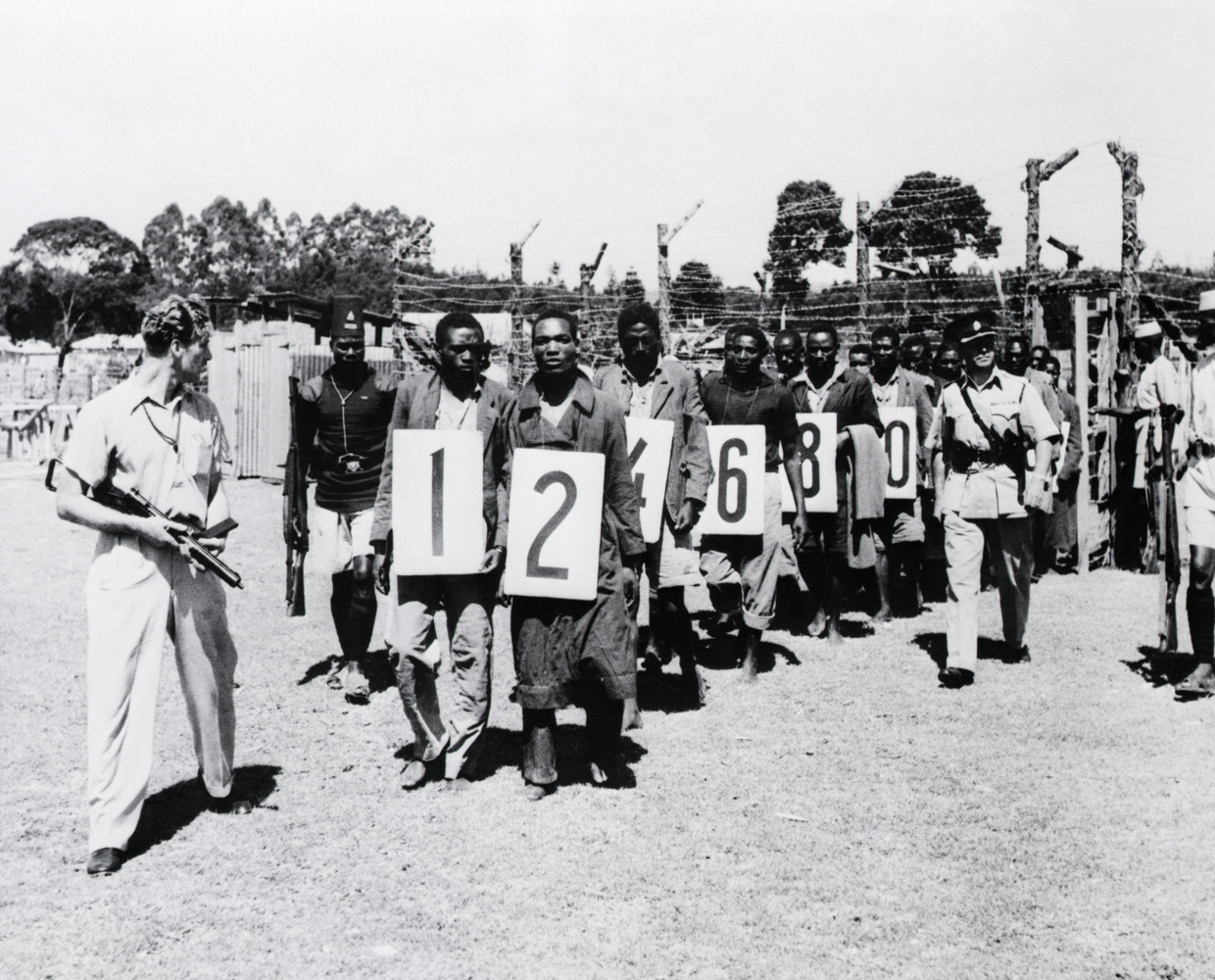
The war on Kenya's independency was so intense that a state of emergency was declared in 1952. Mau Mau's uprising was the epitome of a wave of opposition against imperialism, racism and feudalism. It was besides a consequence to discriminatory labour law and the abolition of fundamental freedoms.
The situation began to change in the fall of 1956. On October 21, the Aberdare Forest captured Field Marshal Dedan Kimathi, leader of Mau Mau. For the British, this meant the actual end of the military campaign.
Although the outbreaks of opposition inactive existed, the flame of the uprising began to extinguish, leaving behind the legacy of the fight, which yet paved the way for Kenya's independency gained in 1963. However, the period after independency was mostly shaped by cooperation with the colonial power, and a crucial part of the organization framework inherited from the colonial state continued to influence the way power was exercised.
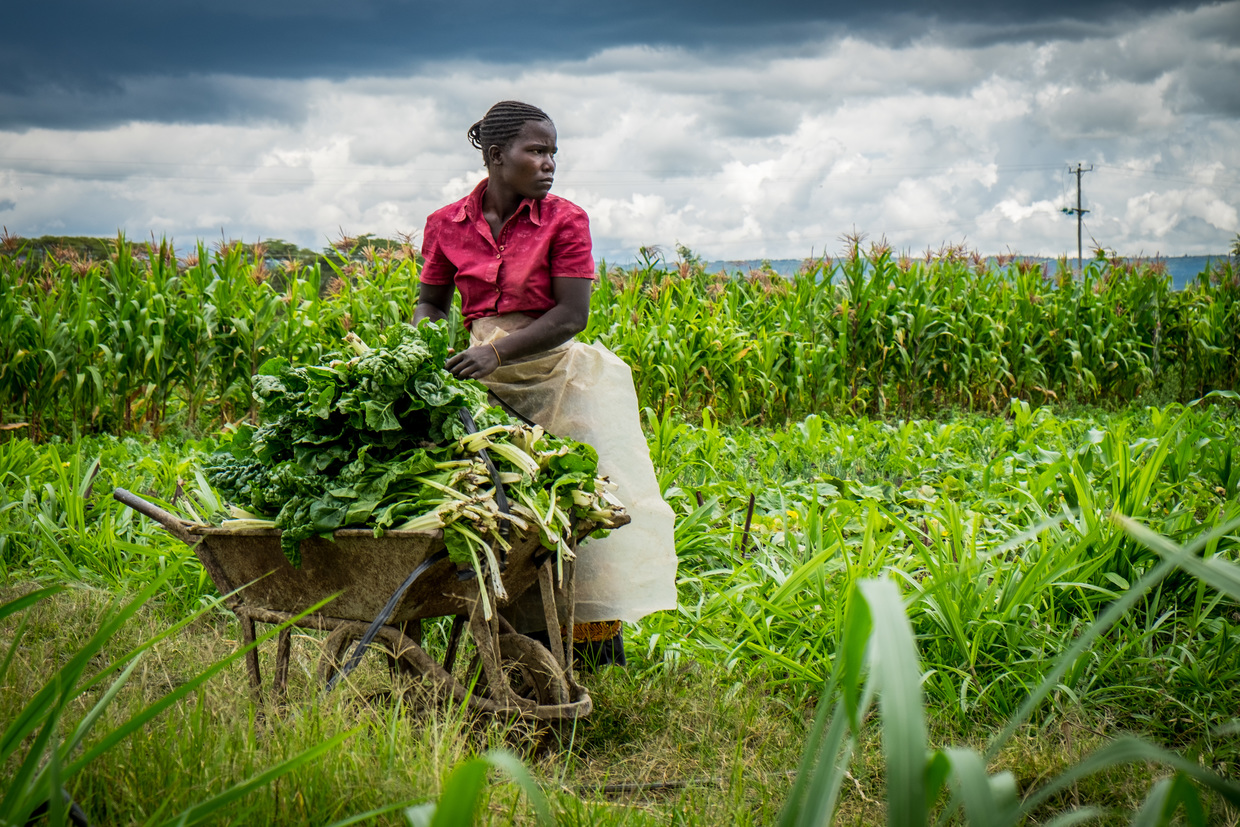
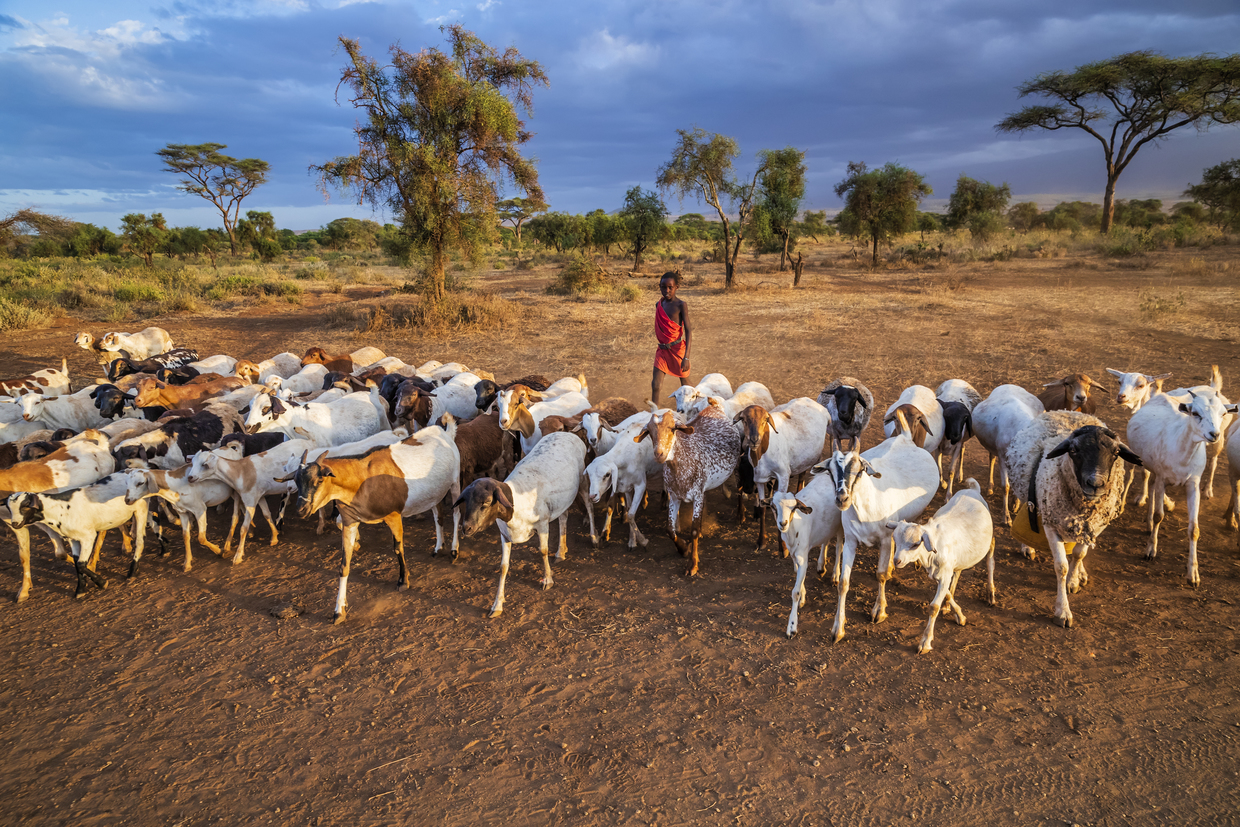
The issue of land was crucial to the Kenyans' opposition to colonialism. Farm and shepherd communities agitated for the return of lands seized by colonizers throughout Kenya, especially in areas then called white highlands – fertile central regions and large African Rows, mostly inhabited by Kikuju, Kalenjin, Meru and Masai communities. The Masai, the shepherding community, were severely affected by the looting of the land by British settlers.
Through insidious land deals, the Masai leaders were deceived and forced to surrender their heritage. The settlers seized the Masai lands in the Ryft Valley. Among these infamous agreements was the agreement of 1904 under which the British forced the Masai to leave the vast areas of pastures in the Ryftowa Valley and transfer them to 2 reserves. The reserves were marginalized areas for indigenous peoples. This agreement was so harmful that it reduced the Masai lands by 60–70%.
In 1911 the British, under threat of weapon violence, forced the Masai to surrender more land under settlement and ranch in Laikipia (a region where British troops had been stationed since 1963). As a result, the Masai were forcibly displaced to an abandoned reserve further south.
In 1923, these land plunders were legalized under the Colonial Land Ordinance—a bill that fundamentally changed land ownership during the period of British colonial regulation in Kenya from Community to individual property titles. This abroad form of land ownership further facilitated the acquisition of Masai municipal land and land plunder during the postcolonial period by political elites.
The liberation war was fought in peculiar against racially-designed economical policy, which deepened inequality, poorness and exploitation. This rebellion mobilized indigenous workers affected by degrading working conditions. The colonial state excluded these workers and peasants due to their race.
Deprived of the basic amenities of the reserves, inhabited by the indigenous population, they were the personification of negligence on the part of the state. Agricultural advisory services were not available to indigenous farmers as all resources were transferred to European settlers. The establishment of ranches and reserves disregarded indigenous peoples' rights to land and deprived them of access to land and resources under the pretext of protecting the environment.
This kind of expropriation seems to be inactive present in Kenya and no effort has been made to remedy these historical injustices. In 2003, a government investigation commission, popularly known as the Ndung Land Commission (from the name of its chairman, Paul Ndung), was established to analyse the illegal/irregular allocation of land practically throughout the postcolonial period of Kenya. However, subsequent governments ignored the committee's far-reaching recommendations.
Colonial heritage?
The problem of ground injustice seems to have been further deepened by successive postcolonial governments through crucial land acquisitions. The Kenyan political elite's efforts to gather land, sometimes without adequate public oversight, have been recognised as contributing to the mass shortage of land throughout the country.
This uneven distribution of improvement and national resources posed a permanent challenge for post-colonial governments to plan and implement national policies. These governments usually prioritised urban areas, especially the capital, Nairobi, which frequently led to disparities in improvement compared to agrarian areas. In cities, a large proportion of the population is inhabited by informal settlements, frequently without basic facilities specified as housing, sanitation and infrastructure, indicating areas of permanent backwardness.
Development programmes have sometimes taken limited account of diversity, leading to concerns about the exclusion of people due to ethnicity, religion, region, sex and social class. The introduction of decentralisation of power, resources and decision-making in the periphery, which has been in force since 2013, aimed at resolving these profoundly rooted political and economical disparities.
The land redistribution program, initiated after Kenya gained independence, aimed at restoring the land to its first communities, evolved in a way that allowed the first president, Jomo Kenyatta, and his close associates to take over the land.
This process required the engagement of state resources and circumstantial legal interpretations. Historical and current problems with land distribution are frequently cited as factors of cyclical interethnic tensions, common in Kenya's multiparty politics. any of the peasants of the Kikuyu tribe, displaced from the central region of their ancestors, were resettled to the region of the large African Row and the coastal region, which faced hostility from host communities.
As Mau Mau fought to regain land and freedom, this organization had been banned since colonial times and was not abolished until 2003. It took so long to lift the ban, even after independence, due to the fact that the ideology of egalitarianism was contrary to the Euro-centric and greedy ideology of the dominant postcolonial elite.
Although in the historical narratives of Kenyatta was sometimes mistakenly portrayed as the leader of Mau Mau, he seemingly saw this movement as a major challenge for wider economical and natural strategies of his administration.
Mau Mau's place in Kenya's historiography is so ambiguous. While any admit his unparalleled contribution to independence, others, like erstwhile colonialists, reject Mau Mau as tribal partisans, unjustly occupying an honorable place at the expense of another liberation struggles across the country due to cultural bigotry and supremacy in the postcolonial structure of the Kenyan state.
Dr. Westen K. Shilaho, global Relations Researcher, University of Witwatersrand, Johannesburg